
Three reasons why Rivian should follow, not pioneer, autonomous driving technology.
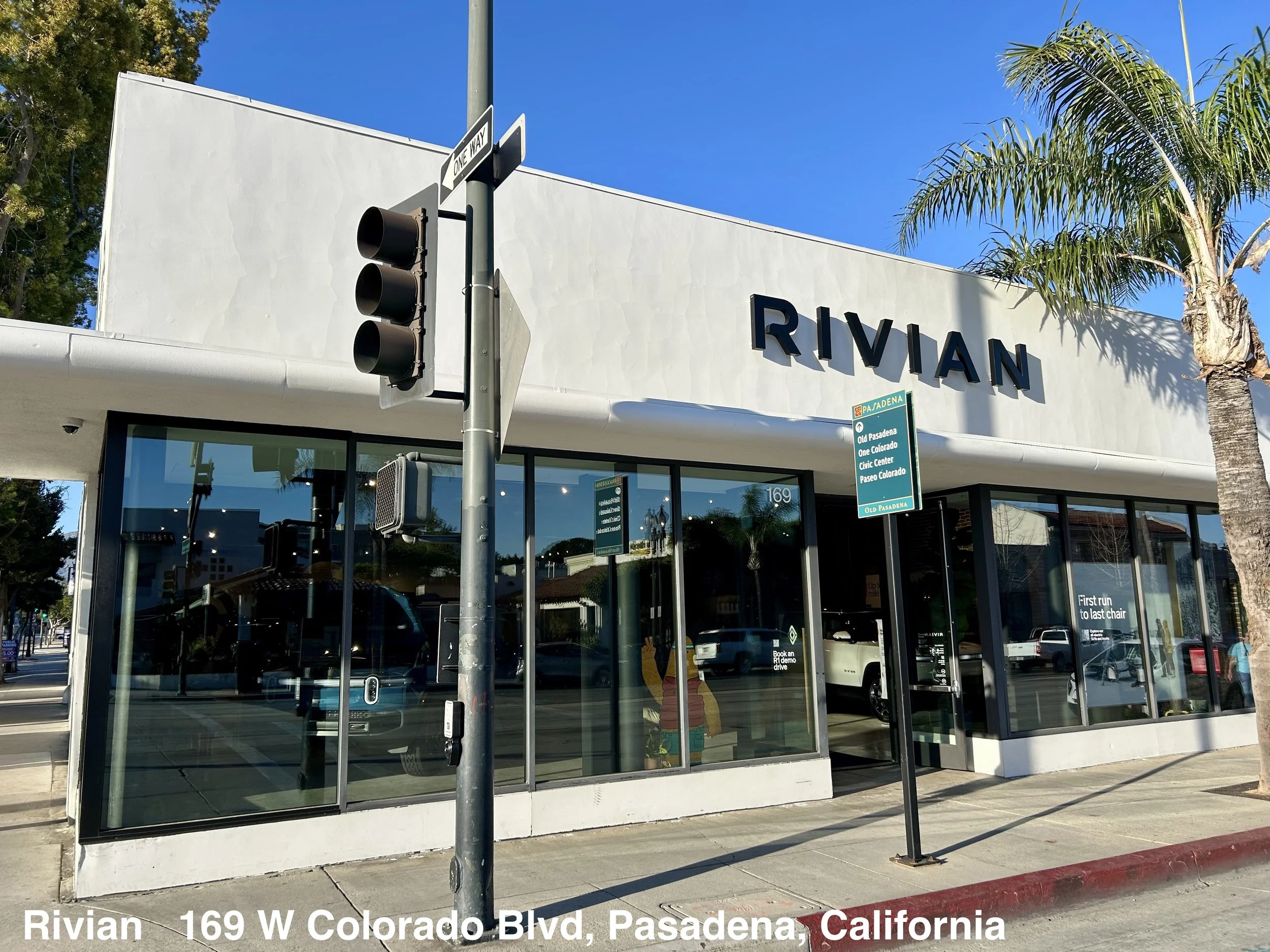
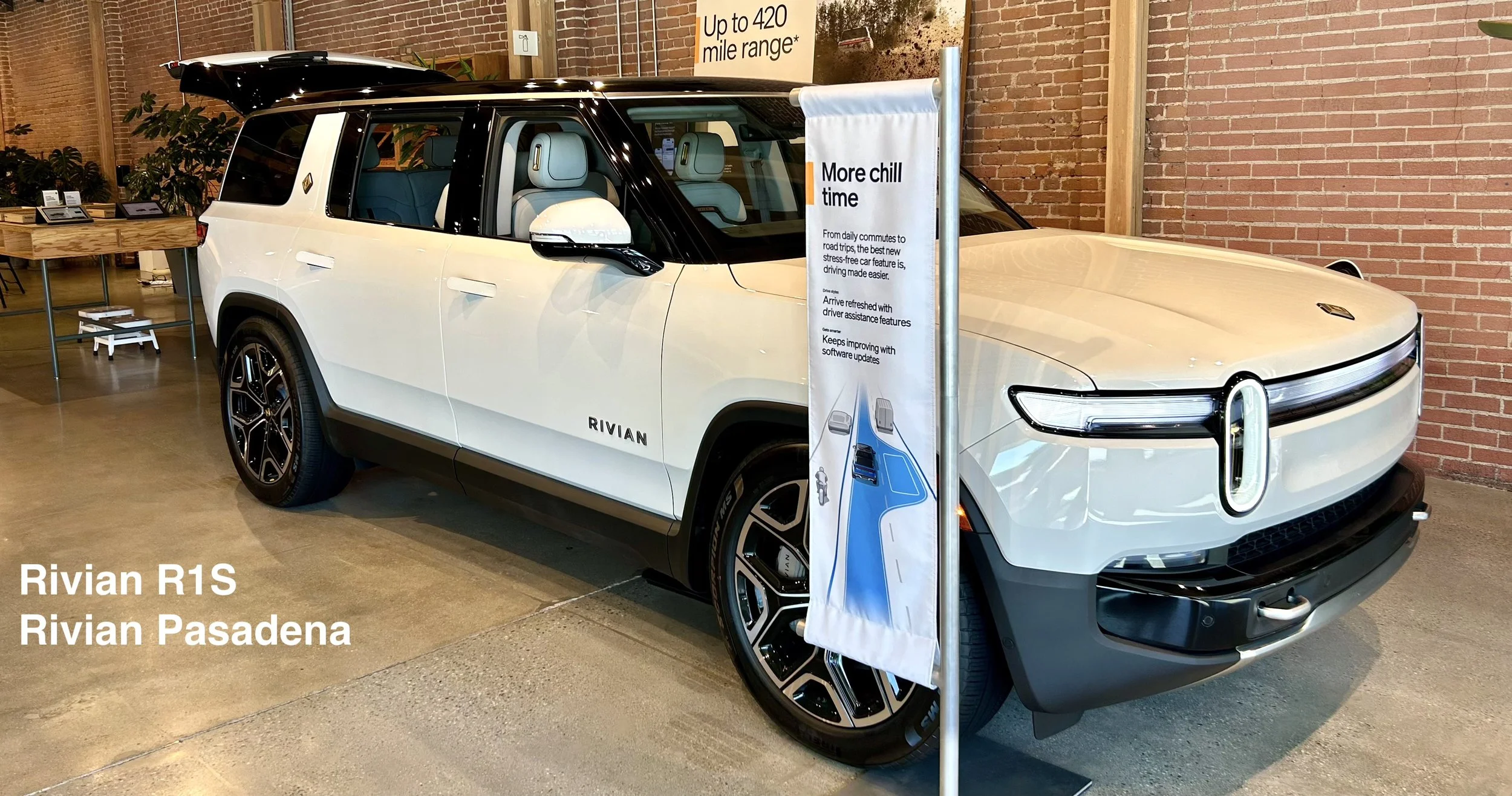
I test drove Rivian's autonomous system at an event last Friday. Here are 3 reasons why Rivian should follow, not pioneer, this technology:
1️⃣ Rivian's brand is about driving adventures. Autonomy is about removing the driver.
Just two weeks ago, Rivian launched RAD — the Rivian Adventure Department.
Ice racing. Hill climbs. Desert rallies.
A RAD OTA update now lets owners adjust torque and stability with sliders on the infotainment screen.
These vehicles are built for people who love adrenaline rushes.
So how does autonomy fit in that picture?
A Rivian engineer explained: autonomy handles the highway miles so you arrive refreshed for the adventure.
It's a compelling idea.
The problem is, autonomous systems must be flawless.
A malfunctioning system will certainly provide an adrenaline rush, but not the kind customers want.
2️⃣ Right now, autonomy is a data race — and Rivian is far behind.
During my test drive in an R1S, Rivian's system worked well on marked roads around the Rose Bowl.
It tracked pedestrians on the sidewalk and held its lane confidently.
Then a jogger appeared running toward us on the center line.
The system didn't react.
The engineer in the passenger seat acknowledged it candidly: "It's a very complicated stack from perception to planning to control to actuation."
The reality of Rivian's situation is more clear when you look at Tesla's and Waymo's numbers.
Tesla has logged over 8 billion miles of AV training data — 4.25 billion in 2025 alone.
Waymo has completed millions of paid autonomous rides across multiple cities.
Rivian's fleet of ~165,000 vehicles has generated an estimated 2-3 billion total miles.
And not all of them are usable for autonomy training.
That gap is extremely difficult to close.
3️⃣ Rivian is already juggling several billion-dollar bets.
Launching the R2. Building a Georgia factory. Developing a custom autonomy chip. Funding RAD.
The company posted a $3.6 billion net loss in 2025, and ended the year with about $6 billion in cash.
Meanwhile, AI training costs are plummeting.
The alternative route:
Rivian has already proven it can monetize software — its VW partnership generated over $1.55 billion in software and services revenue in 2025.
Why pioneer the most expensive race in the auto industry when you could build the best adventure vehicles in the world — and integrate the winning autonomy tech later?
Let me know what you think.
Curious about the Rivian brand? See our analysis of Rivian’s ad campaign launched in 2025.
Or explore more automotive trends in the Blog archive.
Contact us for custom consumer insights on autonomy and adventure vehicles.